
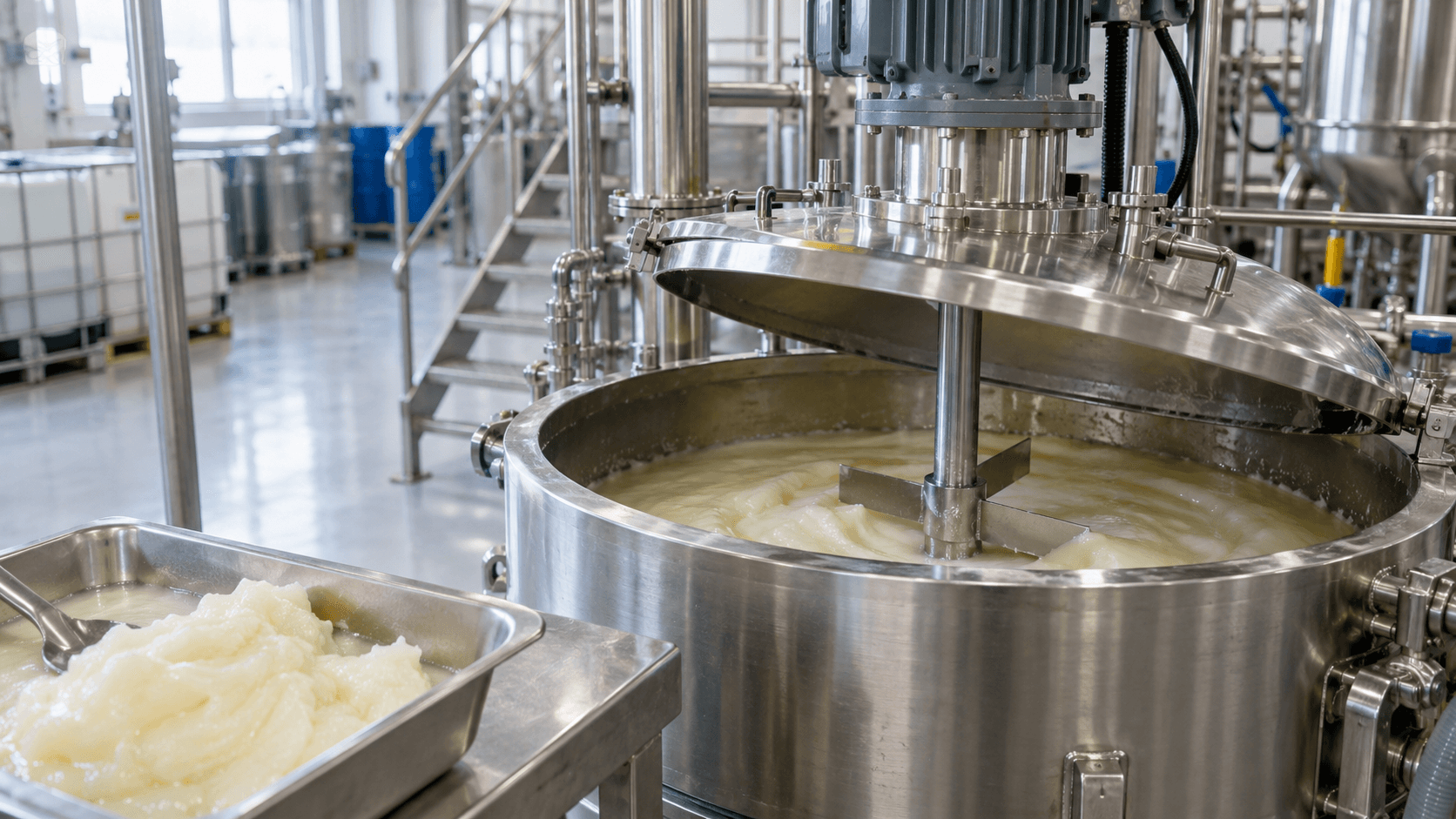
ALS vs ALES: Grade Checks for Detergent Formulation
Ammonium surfactant substitution requires the actual grade and active basis. A shared paste appearance does not establish detergent-formula equivalence.
Read more
Search covers every published article in this language.
Ammonium surfactant substitution requires the actual grade and active basis. A shared paste appearance does not establish detergent-formula equivalence.
Read more
Sodium C14-16 olefin sulfonate (AOS) and sodium lauryl sulfate (SLS) are different anionic surfactant families; neither is a universal drop-in for the other. Compare exact grade/forms, normalize test dosage to verified active matter, and qualify foam, pH and appearance under the buyer’s actual detergent formulation before any substitution decision. Keep separate supplier and RFQ paths for AOS and SLS TDS/COA and sample trials.
Read more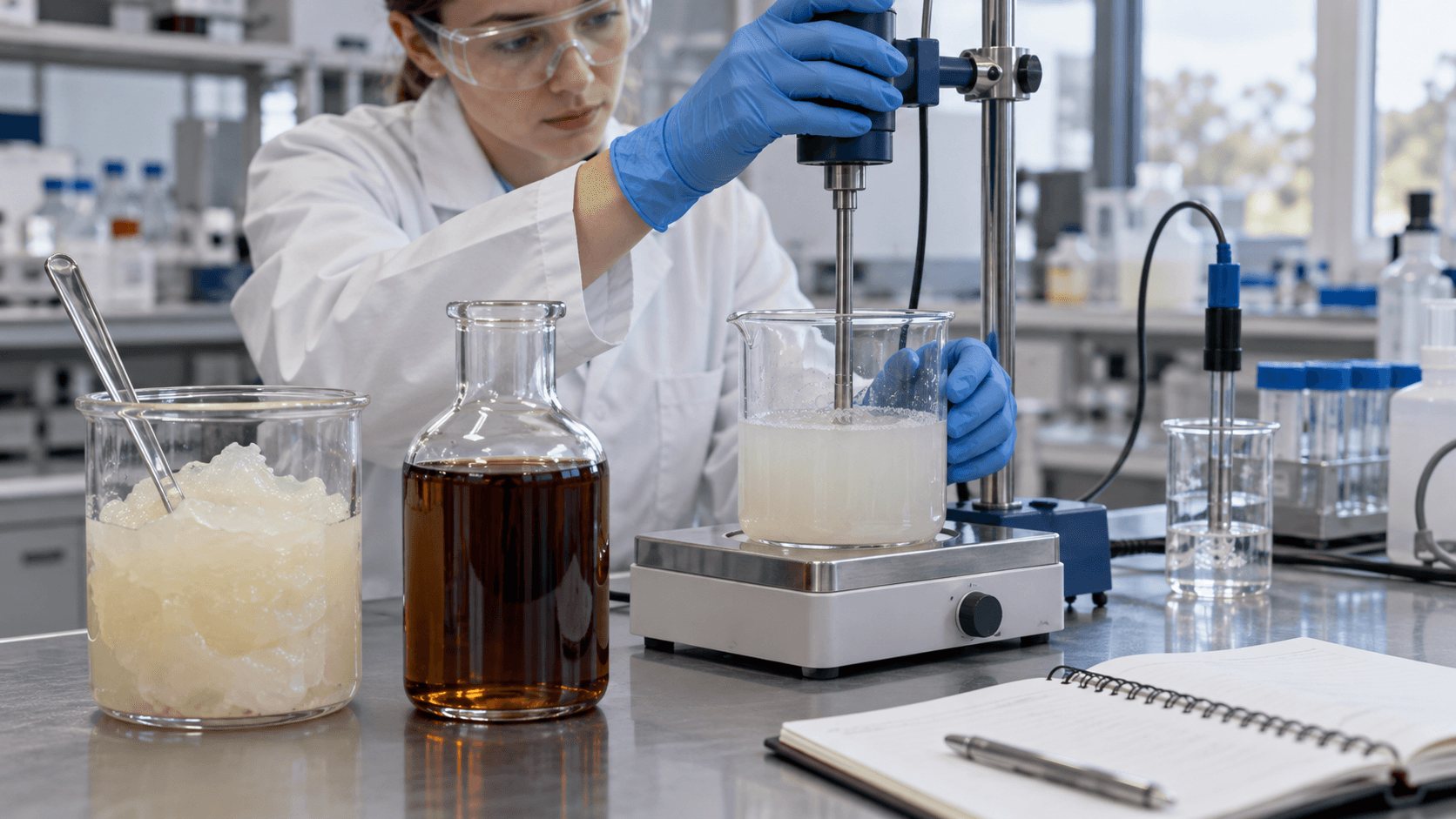
A technical procurement guide to choosing between SLES and LABSA in detergent systems. Plan neutralization, compare on a consistent active-matter basis and validate the exact grades in pilot batches.
Read more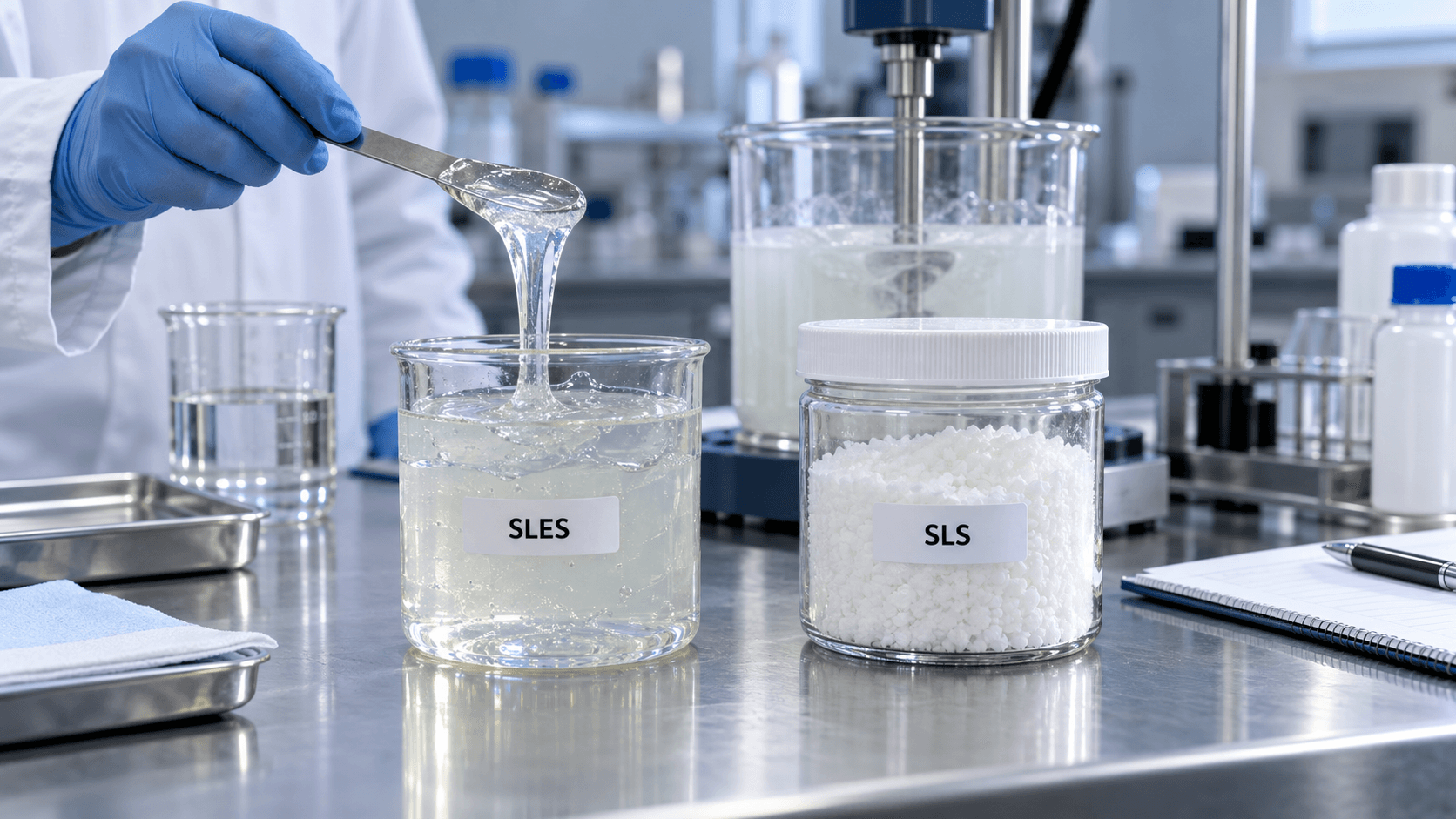
Sodium laureth sulfate (SLES) is an ethoxylated alkyl ether sulfate; sodium lauryl sulfate (SLS) is an alkyl sulfate without that ethoxy chain. Both are anionic surfactants, but a switch changes the formulation as well as the purchasing specification. For detergent and personal-care factories, a useful SLES vs SLS comparison covers the offered grade, active matter, processing, finished-formula performance and delivered cost per unit of active material.
Read moreNo published articles are available in this section yet.